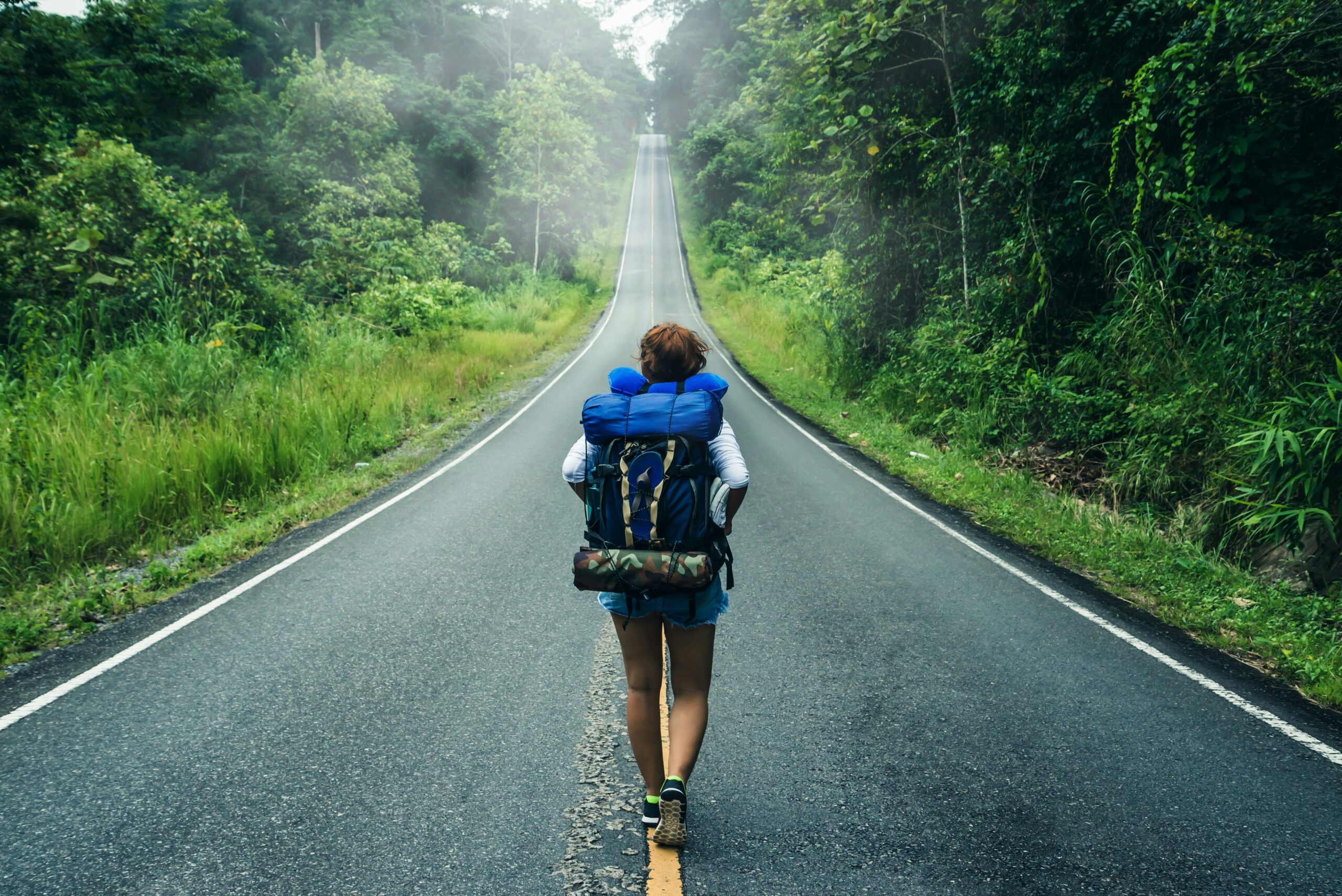
Solo travel has evolved from a niche lifestyle to a powerful movement embraced by millions worldwide. More travelers are choosing to explore destinations independently rather than waiting for friends, family, or organized groups. This shift reflects a broader cultural shift in which independence, flexibility, and personal growth are highly valued. Traveling alone allows individuals to create experiences that align perfectly with their interests, schedules, and curiosity.
One of the biggest appeals of solo travel is the freedom it offers. When you travel alone, every decision belongs entirely to you. From selecting destinations to choosing restaurants or activities, you are in full control of the journey. This autonomy encourages spontaneity and often leads to unexpected discoveries that might not happen in group travel situations.
Discovering Personal Strength Through Solo Travel
Traveling alone often pushes individuals outside their comfort zones, leading to remarkable personal growth. When there is no travel companion to rely on, solo travelers learn to navigate unfamiliar environments, solve problems independently, and adapt quickly to changing circumstances. These experiences build resilience and confidence that often extend far beyond the trip itself.
Another benefit of solo travel is the opportunity to develop stronger self-awareness. Without the distractions of group dynamics, travelers spend more time reflecting on their goals, values, and interests. Many solo travelers return home with a renewed sense of clarity about their lives, careers, and personal aspirations.
The Unique Freedom of Planning Your Own Journey
One of the most empowering aspects of solo travel is the ability to design an itinerary that reflects your personal interests. Whether you enjoy cultural exploration, outdoor adventures, culinary experiences, or historical sightseeing, traveling alone allows you to focus entirely on what excites you most. There is no need to compromise or negotiate plans with others.
This freedom also makes it easier to travel at your own pace. Some travelers prefer a fast-moving itinerary packed with activities, while others enjoy slow travel that emphasizes relaxation and deeper exploration. Solo travel accommodates both approaches equally well, allowing individuals to move through destinations in a way that feels natural and enjoyable.
Connecting With New People Around the World
Although it might seem counterintuitive, solo travel often leads to more social interactions than traveling with companions. When you are alone, you are more approachable and more likely to engage with locals or other travelers. These spontaneous conversations can turn into memorable friendships or valuable cultural exchanges.
Hostels, walking tours, cooking classes, and group excursions create excellent opportunities for solo travelers to connect with others who share similar interests. Many travelers report that some of their most meaningful travel memories involve people they met along the way. These encounters add richness to the journey and create lasting global connections.
Building Confidence Through Independent Exploration
Traveling alone encourages individuals to trust their instincts and make decisions independently. From navigating unfamiliar public transportation systems to communicating in different languages, solo travelers constantly develop new skills. Each successful experience reinforces confidence and encourages greater independence.
Over time, these experiences accumulate and transform how travelers perceive challenges. Tasks that once seemed intimidating become manageable, and the traveler learns to approach new situations with curiosity instead of fear. This mindset often carries into everyday life, making solo travel a powerful tool for personal development.
Embracing Flexibility and Spontaneity
One of the greatest advantages of traveling alone is the ability to change plans on the fly. Without coordinating with others, solo travelers can extend their stay in a place they love or leave early if a destination does not meet expectations. This flexibility creates a more relaxed and adaptable travel experience.
Spontaneous opportunities also become easier to pursue. A local may suggest a hidden beach, a nearby festival, or a scenic hiking trail. Solo travelers can seize these moments without worrying about group preferences or schedules. These unplanned adventures often become the highlights of the journey.
Safety and Preparation for Solo Travelers
While solo travel offers incredible freedom, preparation remains essential for a safe and enjoyable experience. Researching destinations, understanding local customs, and staying aware of surroundings can significantly reduce potential risks. Solo travelers should also share their travel plans with trusted friends or family members back home.
Technology has made solo travel safer than ever before. Smartphone navigation, translation apps, and travel platforms provide valuable support in unfamiliar environments. With the right preparation and awareness, solo travelers can explore confidently while minimizing potential challenges.
The Mental and Emotional Benefits of Traveling Alone
Beyond adventure and exploration, solo travel also offers meaningful mental and emotional benefits. Spending time alone in new environments allows travelers to disconnect from daily routines and stress. This break can foster mindfulness and deepen appreciation for the present moment.
Many travelers describe solo journeys as deeply restorative experiences. Watching a sunrise in a quiet landscape or enjoying a peaceful walk through a historic city can create moments of reflection and gratitude. These experiences help individuals reconnect with themselves and return home feeling refreshed and inspired.
Why Solo Travel Continues to Grow in Popularity
In recent years, solo travel has gained tremendous momentum, especially among younger generations and digital nomads. Social media, travel blogs, and online communities have made it easier than ever for individuals to find inspiration, advice, and support for independent travel.
At the same time, modern travelers increasingly value experiences over material possessions. Solo travel aligns perfectly with this mindset because it offers meaningful memories, personal transformation, and cultural understanding. As more people recognize these benefits, solo travel will likely continue to grow as a defining trend in modern exploration.
A Journey That Begins With Yourself
Solo travel is more than simply visiting new destinations; it is a journey of self-discovery and empowerment. By stepping into unfamiliar environments alone, travelers learn to trust themselves, embrace uncertainty, and appreciate the beauty of independence.
For the independent explorer, the world becomes a classroom filled with endless lessons and opportunities. Each destination offers new perspectives, new friendships, and new insights into life. In the end, the most transformative part of solo travel is not just the places you visit, but the person you become along the way.