The field of medicine is experiencing a remarkable transformation. Advancements in medical technology are not only improving patient outcomes but also reshaping the way healthcare providers diagnose, treat, and monitor illnesses. From innovative devices to cutting-edge digital solutions, these emerging trends are setting the stage for a new era of healthcare that is more efficient, precise, and personalized.
Artificial Intelligence Transforming Diagnosis
One of the most significant developments in medical technology is the integration of artificial intelligence (AI) into diagnostic processes. AI algorithms can analyze vast amounts of medical data, including imaging scans and electronic health records, to detect patterns that human eyes might miss. This technology allows for earlier detection of diseases such as cancer, heart conditions, and neurological disorders, ultimately improving the chances of successful treatment. By providing doctors with real-time insights and predictive analytics, AI is enhancing clinical decision-making and reducing the likelihood of diagnostic errors.
AI is also enabling the creation of virtual health assistants. These systems can answer patient questions, schedule appointments, and provide medication adherence reminders. This integration not only improves patient engagement but also allows healthcare professionals to focus on more complex tasks, increasing overall efficiency within medical facilities.
Wearable Technology for Continuous Monitoring
Wearable devices are no longer just fitness trackers; they have become essential tools in modern healthcare. These devices monitor vital signs such as heart rate, blood pressure, and blood oxygen levels, providing continuous, real-time data. This constant monitoring is particularly valuable for patients with chronic conditions, allowing healthcare providers to detect changes early and intervene before problems escalate.
Beyond monitoring, wearable technology is evolving to include bright clothing and implantable sensors that can deliver even more precise data. This trend reflects a shift toward preventive care, where potential health issues are addressed before they develop into severe conditions. Patients are now better empowered to take control of their health, guided by the insights these intelligent devices provide.
Telemedicine Bridging Distances
The rise of telemedicine has fundamentally changed how patients access healthcare. Through virtual consultations, individuals can receive medical advice, diagnosis, and treatment without visiting a clinic. This technology has expanded access to healthcare services, particularly for those living in remote or underserved areas.
Telemedicine is also making follow-up care more convenient. Patients can communicate with their doctors through video calls, mobile apps, and online platforms, reducing the need for multiple in-person visits. This accessibility not only improves patient satisfaction but also allows medical professionals to manage their workload more efficiently. The ongoing integration of telemedicine into healthcare systems highlights its importance as a long-term solution rather than a temporary response to healthcare challenges.
Personalized Medicine Tailored to Individuals
Personalized medicine is another emerging trend reshaping medical care. By analyzing a patient’s genetic information, lifestyle, and medical history, doctors can design treatments tailored to the individual. This approach increases the effectiveness of therapies and minimizes potential side effects, providing a higher standard of care.
Advances in genomics and biotechnology are driving this personalized approach. Genetic testing can identify predispositions to certain diseases, allowing preventive measures or early interventions. As technology continues to improve, personalized medicine is expected to expand beyond treatment into prevention, making healthcare more proactive rather than reactive.
Robotics Enhancing Surgical Precision
Robotic-assisted surgery is revolutionizing the operating room by providing unmatched precision and control. These systems allow surgeons to perform complex procedures with smaller incisions, reducing recovery times and minimizing the risk of complications. The use of robotics also enables minimally invasive surgeries that were previously challenging or impossible.
In addition to surgical applications, robots are being developed for rehabilitation, patient assistance, and laboratory automation. The combination of robotics and AI enables medical staff to deliver more consistent, accurate care, ultimately improving patient outcomes. As technology advances, the role of robots in healthcare will likely continue to expand, supporting both clinical and operational functions.
Advanced Imaging and Diagnostic Tools
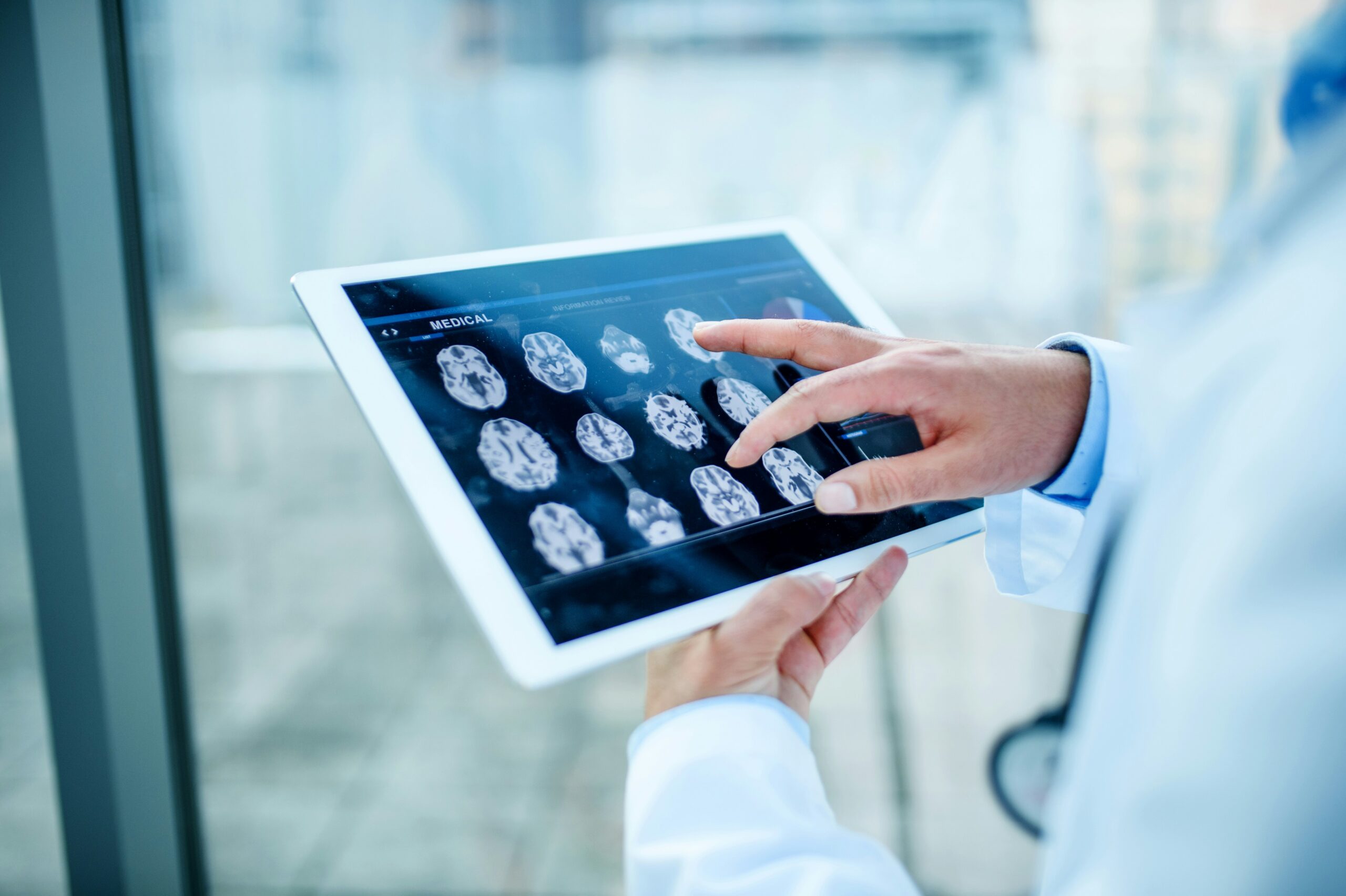
Medical imaging technologies are advancing rapidly, making it easier to detect and monitor diseases. High-resolution imaging, 3D visualization, and molecular imaging provide doctors with detailed insights into a patient’s condition, allowing for more precise diagnosis and treatment planning.
These imaging advancements are complemented by real-time analytics, enabling faster interpretation of results. As imaging technology continues to evolve, it will become increasingly integral to preventive care and early intervention, helping to identify health issues before they progress to serious stages.
The Impact on Patient Care
The convergence of AI, wearable devices, telemedicine, personalized medicine, robotics, and advanced imaging is transforming the patient experience. Healthcare is becoming more proactive, predictive, and personalized. Patients can access timely care, receive tailored treatments, and continuously monitor their health. This shift is improving both outcomes and satisfaction, making healthcare more patient-centered than ever before.
Medical technology is also addressing challenges such as resource allocation and access to healthcare. By streamlining workflows, reducing errors, and expanding access, these innovations help healthcare systems operate more efficiently. The future of medicine is not only about curing diseases but also about enhancing overall well-being, ensuring that every individual receives the care they need when they need it.
Looking Ahead: The Future of Medical Technology
As emerging trends continue to shape the medical landscape, the possibilities are endless. Integration of AI and robotics, further development of wearable devices, expansion of telemedicine, and continued advances in personalized medicine will redefine healthcare as we know it. These technologies promise a future where healthcare is more innovative, more precise, and more patient-focused.
The journey of medical technology is far from complete. Every innovation brings the potential to improve lives, reduce healthcare costs, and provide more equitable access to care. By embracing these emerging trends, healthcare providers and patients alike are entering a new era of medical excellence, one where science, technology, and compassion work hand in hand.