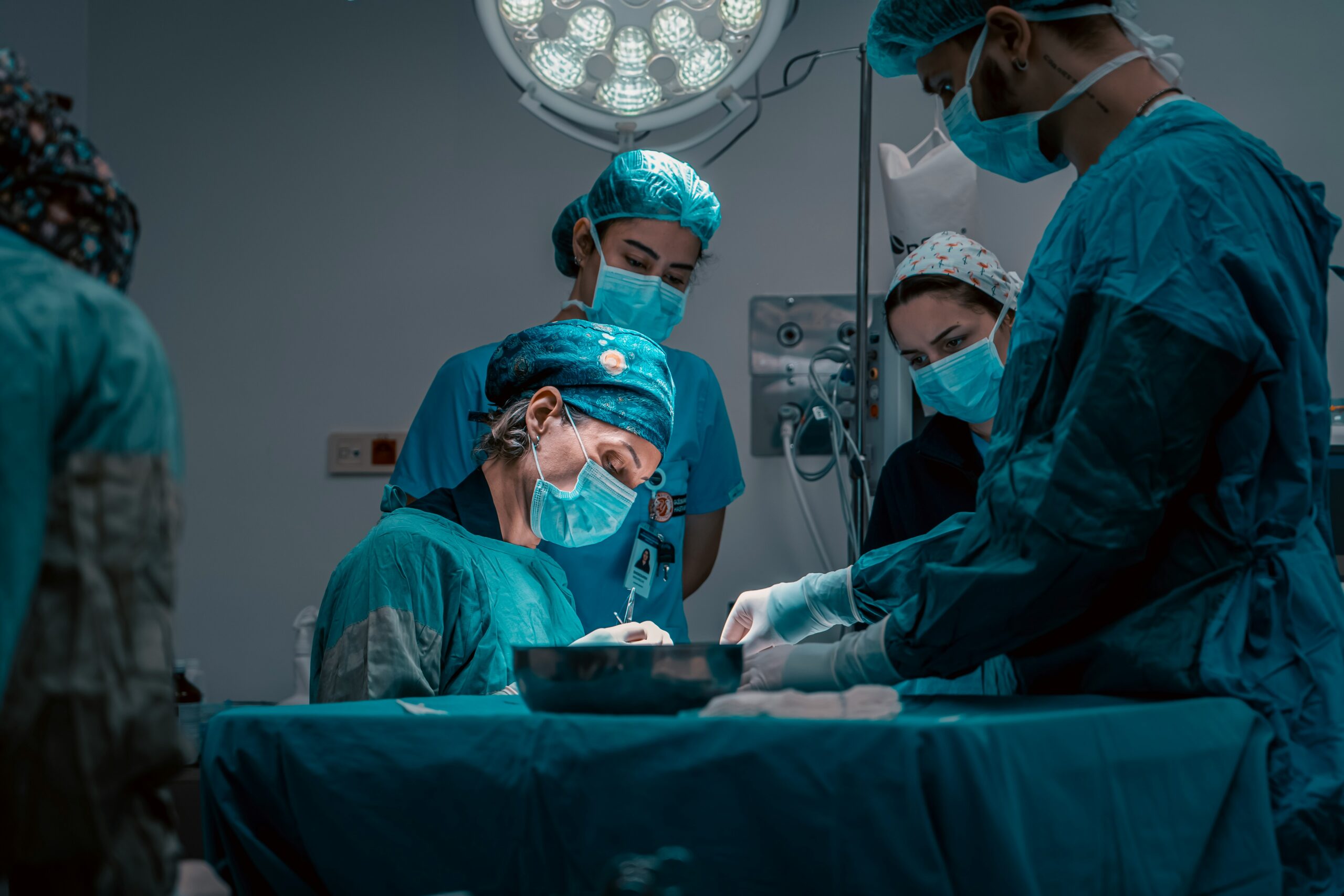
Modern surgery continues to advance at an impressive rate. New technologies and refined techniques are helping surgeons perform complex procedures with greater precision. As a result, patients now face fewer risks and recover faster than in previous decades. At the same time, hospitals are improving surgical outcomes through smarter planning and better tools.
In the past, many operations required large incisions and long hospital stays. Recovery often involved pain, complications, and extended rehabilitation. However, modern medicine has transformed that experience. Surgeons now focus on precision, efficiency, and patient comfort. Moreover, researchers continue to introduce groundbreaking solutions that expand treatment options.
These innovations are changing the future of surgical care worldwide.
Robotic-Assisted Procedures Improve Accuracy
Robotic-assisted surgery has become one of the most important advancements in modern medicine. Surgeons now use robotic systems to complete delicate procedures with exceptional precision.
These systems provide enhanced visualization of surgical areas. Doctors can perform detailed movements with greater control. Consequently, patients often experience fewer complications during surgery.
Smaller incisions also improve recovery times. Patients typically experience less pain and reduced blood loss. In many cases, they return home sooner.
Robotic technology now supports heart surgery, cancer treatments, gynecological procedures, and orthopedic operations. As innovation continues, even more specialties will adopt these systems.
Minimally Invasive Surgery Reduces Trauma
Minimally invasive surgery continues to reshape patient care. Surgeons now use tiny cameras and specialized instruments instead of large surgical openings.
Laparoscopic procedures remain common for gallbladder removal, digestive surgeries, and hernia repairs. Because these procedures cause less physical trauma, patients recover more quickly.
Smaller incisions also reduce infection risks. Additionally, patients often experience minimal scarring and shorter hospital stays.
Orthopedic specialists now perform many joint procedures through minimally invasive methods. These surgeries help patients regain mobility faster.
This approach continues to improve both safety and convenience.
Artificial Intelligence Enhances Surgical Planning
Artificial intelligence has become a valuable tool in modern surgery. AI systems can quickly analyze patient records, scans, and medical histories.
Doctors use this information to identify risks before procedures begin. Therefore, surgical teams can prepare more effectively.
During operations, AI-powered systems may assist surgeons with navigation and precision. These tools help improve decision-making in complex procedures.
Hospitals also rely on AI to improve operating room scheduling. Better efficiency reduces delays and improves patient experiences.
Artificial intelligence continues to strengthen surgical care.
3D Printing Supports Personalized Procedures
Three-dimensional printing has introduced remarkable possibilities in surgery. Doctors now create customized implants and prosthetics for patients.
Surgeons also use printed anatomical models before complicated procedures. These models help doctors practice and improve surgical planning.
Patients who need joint replacements often benefit from customized implants. Better-fitting devices improve comfort and movement.
Facial reconstruction surgery has also improved with the advent of 3D printing technology. Surgeons can rebuild damaged structures with greater precision.
This innovation continues to make surgery more personalized.
Organ Transplant Procedures Continue to Improve
Organ transplant surgery has seen major progress in recent years. Advanced surgical methods have increased survival rates for patients.
Improved preservation technology keeps donor organs healthy longer. As a result, more patients receive life-saving transplants.
Researchers are also developing artificial organs to address shortages. These breakthroughs may reshape transplant medicine.
Additionally, stronger anti-rejection medications improve long-term transplant success.
These advancements continue to offer hope to patients worldwide.
Regenerative Medicine Accelerates Healing
Regenerative medicine is creating exciting changes in surgery. Doctors now use treatments that help the body heal damaged tissues.
Stem cell therapies support recovery after orthopedic injuries. Patients often heal faster and regain strength sooner.
Researchers are also developing lab-grown skin for burn victims. These treatments improve recovery and lower infection risks.
Scientists continue exploring tissue regeneration for damaged organs as well. This progress could transform future surgeries.
Regenerative medicine remains one of health care’s most promising fields.
Neurosurgery Reaches New Levels of Precision
Neurosurgery has become more advanced thanks to technological advances. Surgeons now treat brain and spinal conditions with greater accuracy.
Advanced imaging systems help doctors quickly identify tumors and damaged tissues. This precision helps protect healthy brain areas.
Laser-assisted procedures also reduce risks in certain operations. Patients often recover faster after these treatments.
Researchers are exploring brain-computer interfaces for patients with paralysis. These innovations create new hope.
Neurosurgery continues to push medical boundaries.
The Future of Surgery Looks Strong
Surgical innovation continues to improve lives around the world. Robotic systems, artificial intelligence, regenerative medicine, and personalized treatments are transforming health care.
Patients now benefit from safer procedures and shorter recovery periods. Surgeons also have stronger tools to treat complex medical conditions.
Although challenges remain, progress continues rapidly. The future of surgery looks smarter, safer, and more effective than ever before.